
Blythly and the Cradle to Cradle Difference

Amanda Letscher was tired of choosing between clothing she loved and clothing she believed in.
After years of searching for well-made, responsibly sourced apparel, she kept finding the same thing: garments made from synthetic fabrics, produced overseas, and designed to be replaced instead of treasured. Rather than accept that as the norm, Amanda decided to build the kind of company she wished already existed. But creating a sustainable apparel brand required much more than great design. With guidance from NH SBDC Advisor Amy Sterndale, Amanda transformed what she thought would be a five-year idea into a business she launched in just one year. Today, Blythly is proving that fashion can be beautiful, responsibly-made, and built for a future beyond the landfill.
Clothing is something we all need.
It's a necessity for modern life. Yet, somewhere along the way, the fashion industry lost sight of the costs to the planet and humans when clothing is low-quality and designed with only convenience in mind.
In the Atacama Desert, on the border of Chile and Peru, there's a pile of discarded clothing so large you can see it from outer space. A symptom of a global problem, the growing pile is the physical residue of fast fashion: an industry that thrives on consumers filling their closets with cheaply made items that soon end up as discarded waste.
Amanda Letscher, founder of Blythly, set out to create quality, sustainable clothing and apparel that's made with the big picture in mind.
The frustration that led to a business plan.
Amanda's path to founding Blythly started with a wardrobe problem of her own. She'd spent years in surface pattern design and fine art as well as teaching design at UNH and has always loved clothing that expresses her personality and makes her look and feel great.
Amanda couldn't escape the acrylic, polyester, overseas manufacturing, and a lot of the garments she tried weren't made to last. Amanda saw more than an aesthetic issue and a materials problem. She saw an issue that impacted the entire planet and our well-being.
In addition to contributing to an excess of waste, a lot of the clothing in our closets today is some blend of polyester, acrylic, or other artificial fibers. After a handful of wears, it needs to be replaced. And that's when more problems take place. As these synthetic garments break down, they shed microplastics, tiny fragments of plastic that make their way into our water, our food, and our bodies.
The issue got Amanda wondering if there was a way to make clothing made in the US from natural materials that would stand the test of time. That question propelled her into what's now Blythly, an online retailer for colorful, confident, and comfortable women's fashion.
Cradle to Cradle: The sustainable approach to fashion
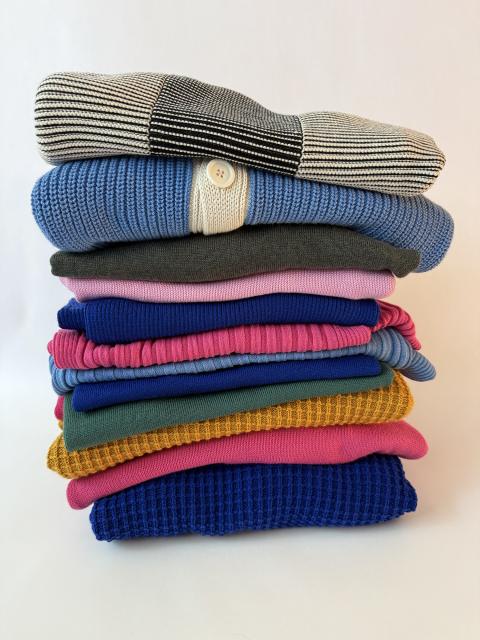
After extended research, Amanda landed on what’s known as cradle-to-cradle products (or circular design). Instead of a garment's life ending in a landfill (cradle-to-grave), Blythly products are built in a way that they can be worn and enjoyed for years and be broken down into something new again when they're done.
Blythly works with single-fiber materials rather than blends, sourcing organic cotton and wool. A single-fiber garment can be broken down and remade. A small decision with a massive downstream impact. Blythly utilizes a 3D knitting technology that looks a little like a large printer. It can knit an entire garment, hood, sleeves, hem, and all, with sewn seams and next to no fabric waste.
Traditional cut-and-sew manufacturing leaves scraps on the cutting room floor by design. Amanda's process creates far less waste. The brilliance of Blythly is that there's no inventory sitting in a warehouse either. Each garment is made to order and shipped directly. Slower fashion is sustainable fashion.
Getting Help with the NH SBDC
Amanda's design instincts have been strong from day one. Running the business side of things was a different story.
She heard about the Small Business Development Center through the eCenter at UNH. At the time, Amanda was still in the research phase, sketching out what she thought would be a five-year launch plan. She connected with SBDC Advisor Amy Sterndale and, with her guidance, fast-tracked her launch to a single year.
"She's just been exactly the type of mentor I needed," Amanda shared.
Amanda gained valuable assistance in finance, business strategy, and marketing. Amy has also helped connect her to other resources and mentors along the way.
The Truths Required to Succeed
Amanda has appreciated how honest Amy has been along the way.
"She doesn't sugarcoat things for me," Amanda shared.
Amy was upfront from the start about the realities of marketing a business like this and what she was up against. Amy's honesty comes paired with enthusiasm, support, and a clear read on the business. Amy understood Amanda's target audience and competitive landscape quickly and showed Amanda where the holes in the plan were while still believing in where it's headed.
What's Next for Blythly
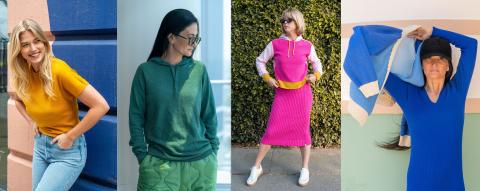
Blythly launched this summer as an e-commerce business, selling directly through Shopify. Amanda is currently working on her social media presence and considering opportunities where she can get her garments in front of people to see, touch, and try on for themselves.
Right now, Blythly serves women, with a focus on customers looking for quality, USA-made pieces built to last rather than just chasing the latest trends. Amanda's vision for Blythly grows beyond the screen, and in five years, she'd love to open an experiential retail space where customers can watch the 3D knitting machines in action, mix and match their own color combinations, and do the very human thing that's hardest to replicate online: try something on and feel how it fits. She's also open to eventually expanding the line to include kids and men, building on the same values that got Blythly started.
Advice for Founders
When asked what she'd tell an entrepreneur just starting out, Amanda replied, "Know your strengths. And know what you can't do. No one can do all of it alone. Find the people who can help fill in the gaps."
It's fitting advice for a brand built on the idea that better things take a little more time, a little more care, and a community willing to help you get it right.